
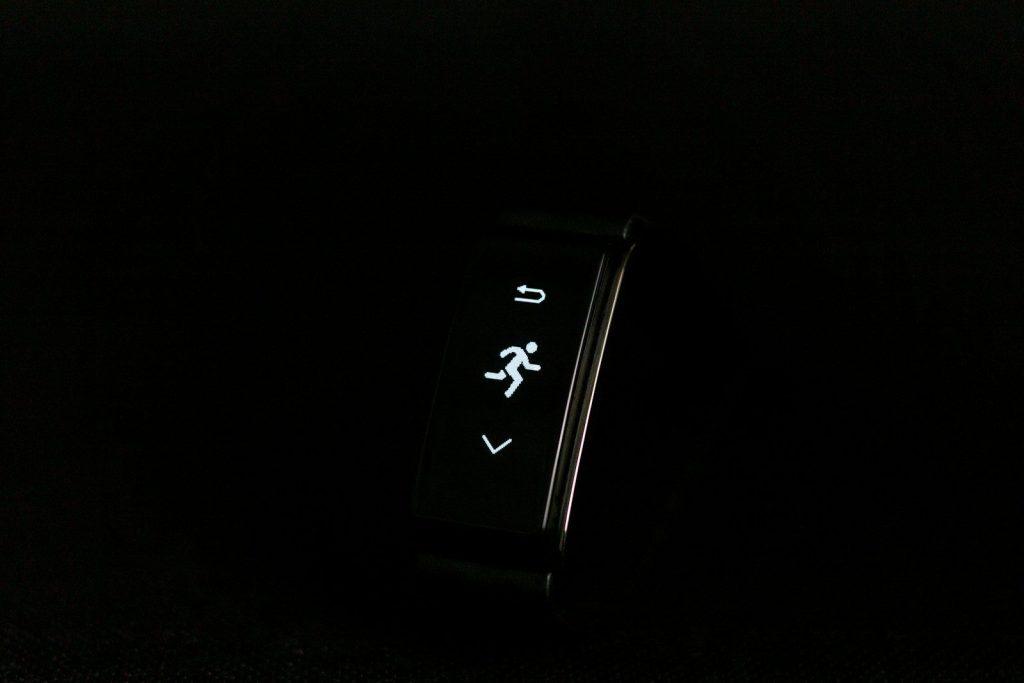
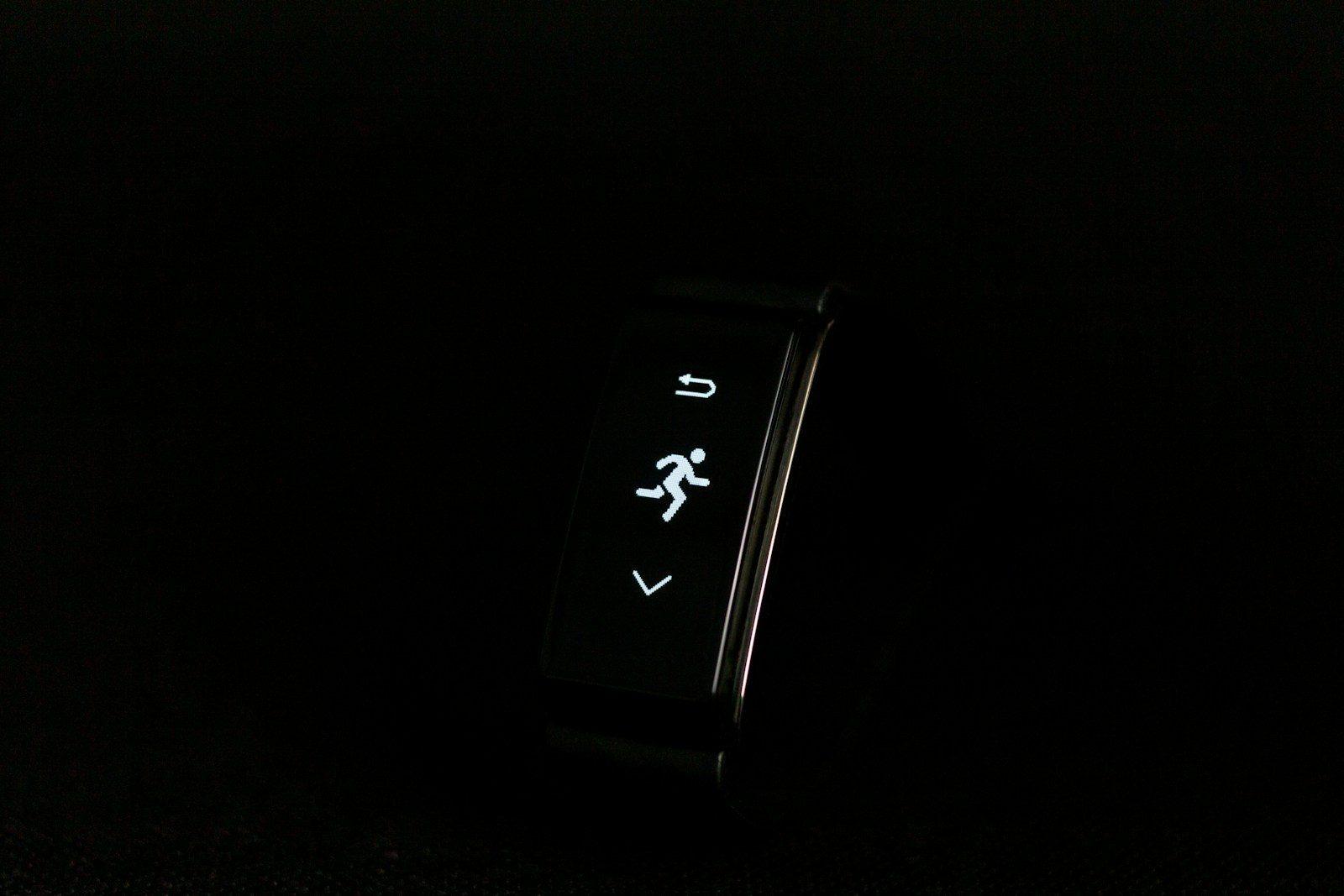
The 10,000 steps target is one of the most widely repeated numbers in public health. It appears on fitness trackers, in corporate wellness programs, in government health campaigns, and in the default goal settings of virtually every step-counting app available today. Most people who know this number assume it emerged from decades of exercise science research and represents the evidence-based threshold at which meaningful health benefits from walking begin to accumulate. It did not. The 10,000 steps figure was invented in 1964 by a Japanese company called Yamasa Corporation as a marketing slogan for a pedometer called the Manpo-kei, which translates literally to ten thousand steps meter. The number was chosen because the Japanese character for ten thousand resembles a person walking, not because any research had established it as a meaningful health target. The science has since caught up to the number, and what it found is more nuanced, more encouraging, and considerably more useful than a single round figure applied uniformly to every adult regardless of age, fitness level, or health status.
Where the 10,000 Steps Myth Came From
Understanding the origin of the 10,000 steps target matters because it reframes the entire conversation around walking and daily movement. When a health goal originates from a marketing decision rather than a research finding, the appropriate response is to ask what the research actually shows rather than to build a health culture around an arbitrary number that happened to achieve global reach through product branding.
The pedometer that popularized the 10,000 steps figure sold extremely well in Japan in the lead-up to the 1964 Tokyo Olympics, when public interest in physical fitness was unusually high. The number traveled from Japanese consumer culture into global wellness messaging over subsequent decades, gaining authority through repetition rather than evidence. By the time researchers began studying whether 10,000 steps was actually the right target, it had already become so deeply embedded in public health communication that the findings received less attention than the myth they contradicted.
What the Research Actually Shows
The most important studies on daily step count and health outcomes consistently show that meaningful health benefits begin at step counts well below 10,000, that the relationship between steps and health outcomes follows a curve of diminishing returns rather than a linear slope, and that the optimal step count varies significantly by age, with older adults showing their largest risk reductions at lower thresholds than younger adults.
A landmark study published in JAMA Internal Medicine in 2019 followed over 16,000 older women with an average age of 72 and found that mortality risk declined progressively as step count increased from around 2,700 steps per day up to approximately 7,500 steps per day. Beyond 7,500 steps, additional steps produced no further reduction in mortality risk in this population. The researchers found no evidence that 10,000 steps represented a meaningful threshold for health outcomes.
A larger and more recent analysis published in JAMA Neurology in 2022 examined step count data from nearly 80,000 adults across a broader age range and found that the mortality risk reduction curve plateaued at around 8,000 to 10,000 steps for middle-aged adults, with the steepest improvements in risk occurring between 2,000 and 6,000 steps per day. This means that a sedentary person moving from 2,000 to 5,000 daily steps achieves a far greater proportional health benefit than an already-active person moving from 9,000 to 12,000 steps.
A study published in Nature Medicine in 2023 that analyzed accelerometer data from over 78,000 adults found that approximately 9,000 to 10,500 steps per day was associated with the lowest risk of cardiovascular disease, cancer, and dementia across middle-aged adults. This finding is the closest any large-scale research has come to supporting the 10,000 steps figure, but it comes with two important qualifications. First, 9,000 steps is not the same as 10,000 steps in terms of the evidence supporting it. Second, the relationship was again curved rather than linear, meaning the bulk of the protective effect was achieved at step counts well below the maximum studied.
How Age Changes the Optimal Step Count
One of the most practically important findings from step count research is that the optimal daily step target is not uniform across age groups. Older adults achieve their largest mortality risk reductions at substantially lower step counts than younger adults, and the research suggests that applying the same 10,000 steps target to a 70-year-old and a 35-year-old is not just scientifically unsupported but potentially discouraging to the older adult who could achieve significant health benefits at a far more accessible target.
For adults over 60, the research evidence most consistently supports a target range of 6,000 to 8,000 steps per day as the threshold at which cardiovascular, metabolic, and mortality benefits are well-established. For adults under 60 who are generally healthy, the evidence supports a range of 8,000 to 10,000 steps per day as associated with the lowest observed risk across most outcomes studied. For adults who are currently very sedentary, any increase in daily step count from their current baseline produces meaningful health improvements, making the target secondary to the direction of change.
Why Step Intensity Matters as Much as Step Count
One of the most significant gaps in the public conversation about daily steps is the almost complete absence of discussion about step intensity. Most step-counting advice focuses exclusively on total daily steps while ignoring how those steps are accumulated. The research suggests that this omission matters considerably.
A study published in the British Journal of Sports Medicine found that taking at least 10 minutes of brisk walking, defined as a pace above 100 steps per minute, was independently associated with lower cardiovascular disease risk, lower all-cause mortality, and better metabolic health outcomes, over and above the total step count for the day. This means that a person who takes 8,000 steps at a leisurely pace achieves meaningfully different health outcomes than a person who takes 8,000 steps that include two or three ten-minute bursts of brisk walking.
The mechanism behind intensity mattering is cardiovascular. Brisk walking elevates heart rate into a moderate aerobic zone, producing cardiovascular training adaptations that slow strolling does not. A daily step count accumulated entirely through slow, incidental movement does not produce the same cardiac and metabolic adaptations as the same step count that includes deliberate moderate-intensity bouts. The implication for daily movement is that aiming for 7,000 steps with two ten-minute brisk walking segments is a more health-effective target for most people than aiming for 10,000 steps accumulated through slow background movement alone.
The Sitting Problem That Steps Cannot Solve
An important caveat to any discussion of daily step count targets is the independent health risk of prolonged uninterrupted sitting, a risk that total daily steps only partially addresses. Research on sedentary behavior has established that sitting for extended continuous periods produces metabolic and cardiovascular changes that accumulate independently of how many steps a person takes outside of those sitting periods. A person who sits for eight uninterrupted hours and then takes a 30-minute walk has a different metabolic risk profile than a person whose 8,000 daily steps are distributed across the day in regular movement breaks.
A study published in Diabetologia found that replacing 30 minutes of sitting per day with 30 minutes of light walking produced significant improvements in fasting blood glucose and insulin sensitivity over twelve weeks, while a comparative group who replaced sitting with standing showed smaller but still meaningful improvements. The finding suggests that the movement itself, distributed throughout the day, matters beyond its contribution to total step count.
The practical implication is a movement break model rather than a daily steps model. Setting a timer to stand and walk for two to five minutes every hour of sitting accumulates steps throughout the day, interrupts the metabolic cost of prolonged sitting, and distributes movement in a pattern that research supports more strongly than a single daily walking session that leaves the remaining hours sedentary.
What Your Actual Daily Movement Target Should Look Like
The research, taken together, supports a daily movement framework built around three components rather than a single step count figure. The first is a minimum daily step floor of 5,000 to 6,000 steps for adults over 60 and 7,000 to 8,000 steps for adults under 60, below which mortality and disease risk begin to rise meaningfully in population data. The second is at least one ten-minute bout of brisk walking per day at a pace above 100 steps per minute to produce the cardiovascular training stimulus that slow walking does not provide. The third is a movement break of two to five minutes for every hour of uninterrupted sitting to interrupt the independent metabolic cost of prolonged sedentary time.
This framework is more evidence-based, more personalized, and more actionable than a flat 10,000 steps target applied universally. It acknowledges that health benefits from walking accumulate along a curve that most people can access at far lower step counts than they have been led to believe, while also recognizing that intensity and distribution of movement matter in ways that raw step count totals do not capture.
The complete exercise recovery guide addresses the parallel question of how the body consolidates the adaptations produced by any form of regular physical activity, including walking, and how sleep, nutrition, and rest day structure determine whether the effort you put into daily movement actually translates into the long-term health outcomes the research associates with an active lifestyle.
The most important single change a sedentary person can make is not hitting 10,000 steps. It is moving more than they did yesterday, distributed across the day, with enough intensity in at least some of those minutes to elevate the heart rate into a moderate aerobic zone. The number that matters is not 10,000. It is more than your current baseline, applied consistently, over months and years rather than tracked obsessively day to day.
Leave a Reply