
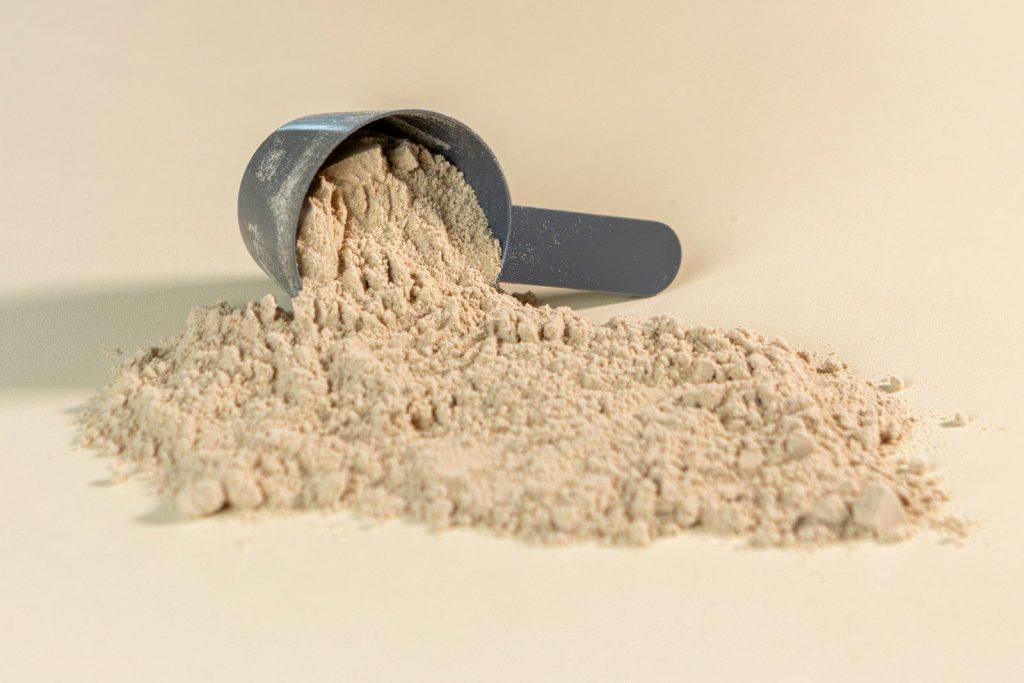
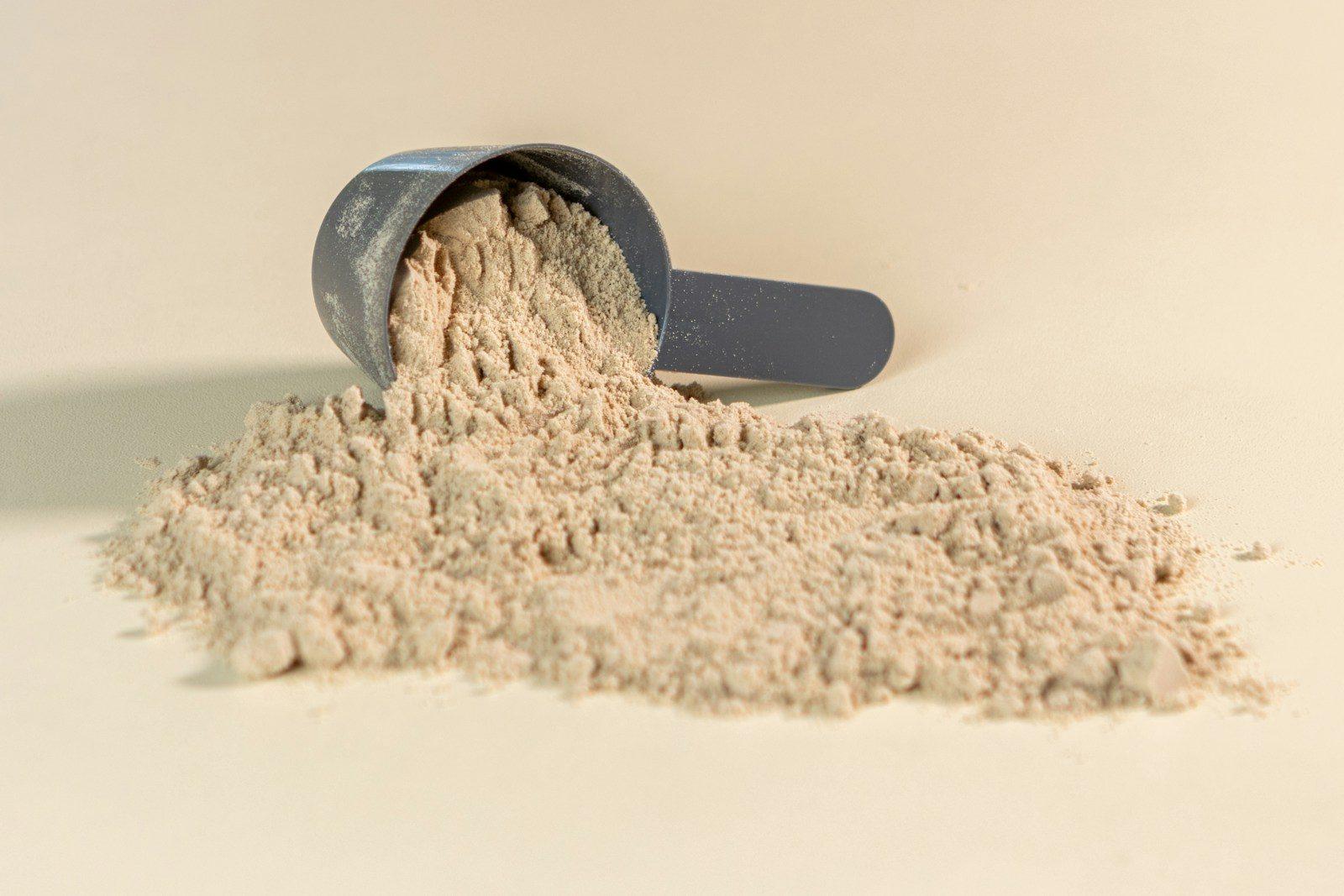
Protein powder occupies a strange position in the nutrition landscape. It sits in the supplement aisle alongside products that have weak or nonexistent evidence behind them, which leads some people to dismiss it as unnecessary marketing. It is also promoted aggressively by the fitness industry in ways that overstate its necessity, which leads others to believe that building muscle or losing weight requires it. The honest answer sits between those two positions. Protein powder is not magic, not necessary for most people, and not superior to whole food protein sources in any meaningful biological sense. It is also not a gimmick. It is a convenient, well-studied, and in specific circumstances genuinely useful tool for meeting protein targets that are difficult to hit through whole food alone. Whether it belongs in your routine depends on your specific situation, your protein targets, and how reliably whole food sources fit into your daily life.
What the Research Says About Protein Requirements
Before evaluating whether powder adds value, it helps to know what protein target you are actually trying to hit. The recommended dietary allowance (RDA) for protein in the United States is 0.8 grams per kilogram of body weight per day, a figure that represents the minimum required to prevent deficiency in sedentary adults rather than the optimal intake for health, muscle maintenance, or body composition goals.
Research published in the American Journal of Clinical Nutrition consistently supports higher targets for active adults and older populations. The current evidence base supports 1.6 to 2.2 grams per kilogram of body weight per day for people doing regular resistance training who want to optimize muscle protein synthesis, and 1.2 to 1.6 grams per kilogram for active adults with general health and body composition goals. For a 70-kilogram active adult, that translates to roughly 110 to 154 grams of protein per day at the higher end of the range. Whether whole food alone can reliably deliver that amount is a practical question that depends entirely on what the person is eating and how consistently.
What Whole Food Protein Sources Deliver
Whole food protein sources are nutritionally superior to protein powder in every dimension except convenience. They deliver protein alongside micronutrients, fiber, and bioactive compounds that powder does not contain and that contribute to health outcomes independently of their protein content.
A 3.5-ounce serving of cooked chicken breast delivers approximately 31 grams of protein alongside niacin, selenium, phosphorus, and B vitamins. Two large eggs deliver approximately 12 grams of protein alongside choline, vitamin D, and lutein. A cup of Greek yogurt delivers approximately 17 to 20 grams of protein alongside calcium, probiotics, and iodine. A 3.5-ounce serving of canned salmon delivers approximately 25 grams of protein alongside omega-3 fatty acids, vitamin D, and selenium.
Research published in Nutrients found that whole food protein sources produced equivalent muscle protein synthesis responses to protein powder when matched for leucine content, confirming that the anabolic stimulus from protein is driven by amino acid composition rather than by the form in which protein is consumed. Whey protein is not biologically special compared to the protein in chicken breast or Greek yogurt. It is simply faster to prepare.
When Protein Powder Has a Genuine Advantage
The case for protein powder is almost entirely a case for convenience and volume. In four specific situations, protein powder solves a real problem that whole food sources solve less efficiently.
Appetite suppression during weight loss. People in a significant caloric deficit frequently experience reduced appetite that makes hitting protein targets through whole food difficult. A protein shake delivers 25 to 30 grams of protein in a volume and caloric density that a depleted appetite can typically accommodate when a full chicken breast cannot. Research published in the British Journal of Nutrition found that whey protein supplementation during caloric restriction preserved significantly more lean mass than isocaloric carbohydrate supplementation, with the effect attributed to the leucine content and rapid absorption kinetics of whey rather than to any property unique to the supplement form.
Post-exercise protein timing in practical conditions. The post-exercise window is the period of highest muscle protein synthesis sensitivity, and consuming 20 to 40 grams of high-quality protein within two hours of completing resistance training maximizes the adaptive response to training. For people who train early in the morning, during a lunch break, or in circumstances where preparing a whole food meal immediately after training is logistically difficult, a protein shake eliminates the barrier between completing the workout and meeting the post-exercise protein target.
Meeting leucine thresholds across multiple meals. Muscle protein synthesis requires a leucine threshold of approximately 2.5 to 3 grams per meal to be maximally triggered. Whey protein is among the highest leucine-containing protein sources available, with approximately 2.7 grams of leucine per 25-gram protein serving. For older adults whose anabolic sensitivity is reduced and who require higher leucine doses to trigger muscle protein synthesis, research from the University of Texas Medical Branch has shown that whey protein produces a stronger muscle protein synthesis response per gram of protein than lower-leucine sources, making it specifically useful for this population.
Plant-based diets with limited high-protein whole food options. People eating predominantly plant-based diets face a more significant practical challenge in meeting protein targets because the highest-protein plant foods, legumes and tofu, deliver protein at lower concentrations and with different amino acid profiles than animal sources. Pea protein and soy protein powders provide complete or near-complete amino acid profiles that supplement the gaps in plant-based dietary patterns more efficiently than adding additional servings of whole plant foods, which also adds substantial carbohydrate and caloric load.
What the Research Says About Different Types of Powder
Not all protein powders are equivalent, and the differences between types are meaningful enough to affect both the outcomes they produce and how well they suit different people and goals.
Whey protein is the most extensively studied protein supplement in the literature and the benchmark against which other types are measured. It is derived from milk, absorbed rapidly, and has the highest leucine content of commonly available protein powders. Research published in the Journal of the American College of Nutrition found that whey protein produced greater improvements in lean mass and strength compared to casein and soy protein at matched doses in people doing resistance training, with the advantage driven primarily by whey’s leucine content and absorption kinetics.
Casein protein is also derived from milk but is absorbed significantly more slowly than whey, producing a sustained amino acid release over five to seven hours rather than the rapid peak that whey produces. Research published in Medicine and Science in Sports and Exercise found that casein consumed before sleep produced significant improvements in overnight muscle protein synthesis and next-morning muscle recovery compared to placebo, making it specifically useful as a pre-sleep protein source for people doing regular resistance training.
Pea protein is the most studied plant-based protein powder and the one with the strongest evidence for muscle building outcomes in people who do not consume dairy. Research published in the Journal of the International Society of Sports Nutrition found that pea protein produced equivalent improvements in muscle thickness to whey protein over twelve weeks of resistance training, making it a genuinely effective alternative for people with dairy intolerance or plant-based dietary preferences.
Collagen protein is the supplement that most oversells itself in the protein powder category. It is low in leucine and several essential amino acids and is not an effective stimulus for muscle protein synthesis. Its evidence base is specific to joint health and skin elasticity, not to the protein targets that most people buying protein powder are trying to meet.
The Practical Decision Framework
The question of whether protein powder is worth it reduces to a single practical assessment. Can you reliably hit your protein target through whole food sources alone given your appetite, schedule, food preferences, and budget? If yes, whole food is the better choice in every dimension except convenience. If no, protein powder bridges the gap efficiently and without the nutritional downsides that most people assume supplement use carries.
A useful starting point is tracking whole food protein intake for three to five days without any supplementation. If you consistently hit your target, you do not need powder. If you consistently fall 20 to 40 grams short, a single daily protein shake addresses the shortfall at a cost per gram of protein that is comparable to or lower than most whole food protein sources.
The strength training and protein article covers the specific protein strategies that produce the best outcomes in the context of a resistance training program, including timing, distribution across meals, and the leucine thresholds that determine whether each meal produces a meaningful muscle protein synthesis response or falls short of the anabolic threshold regardless of total daily intake.
Leave a Reply