
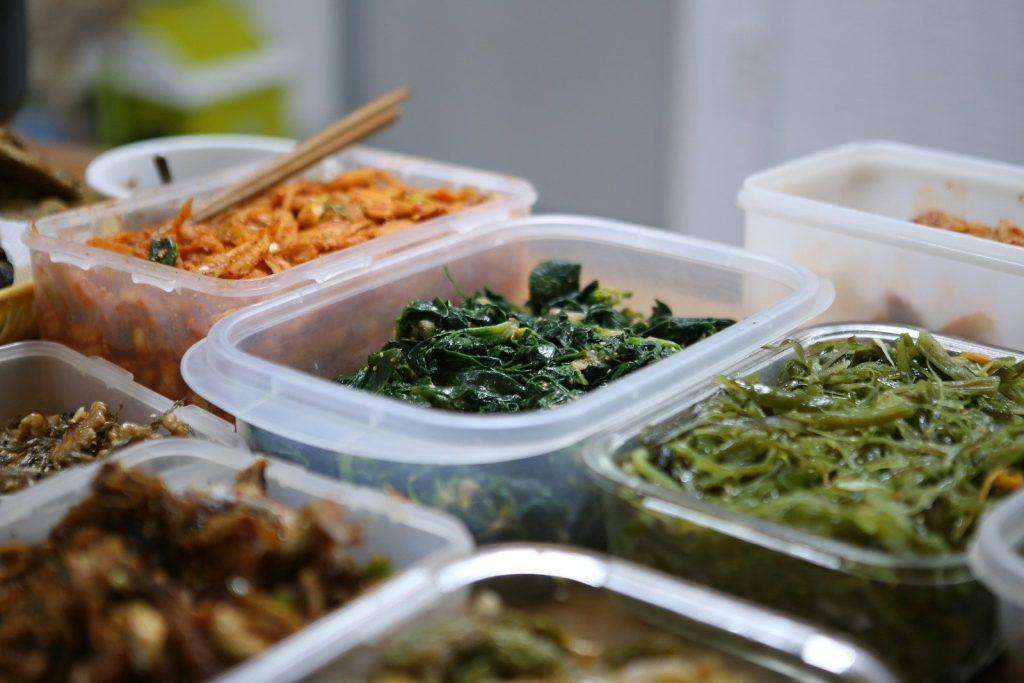
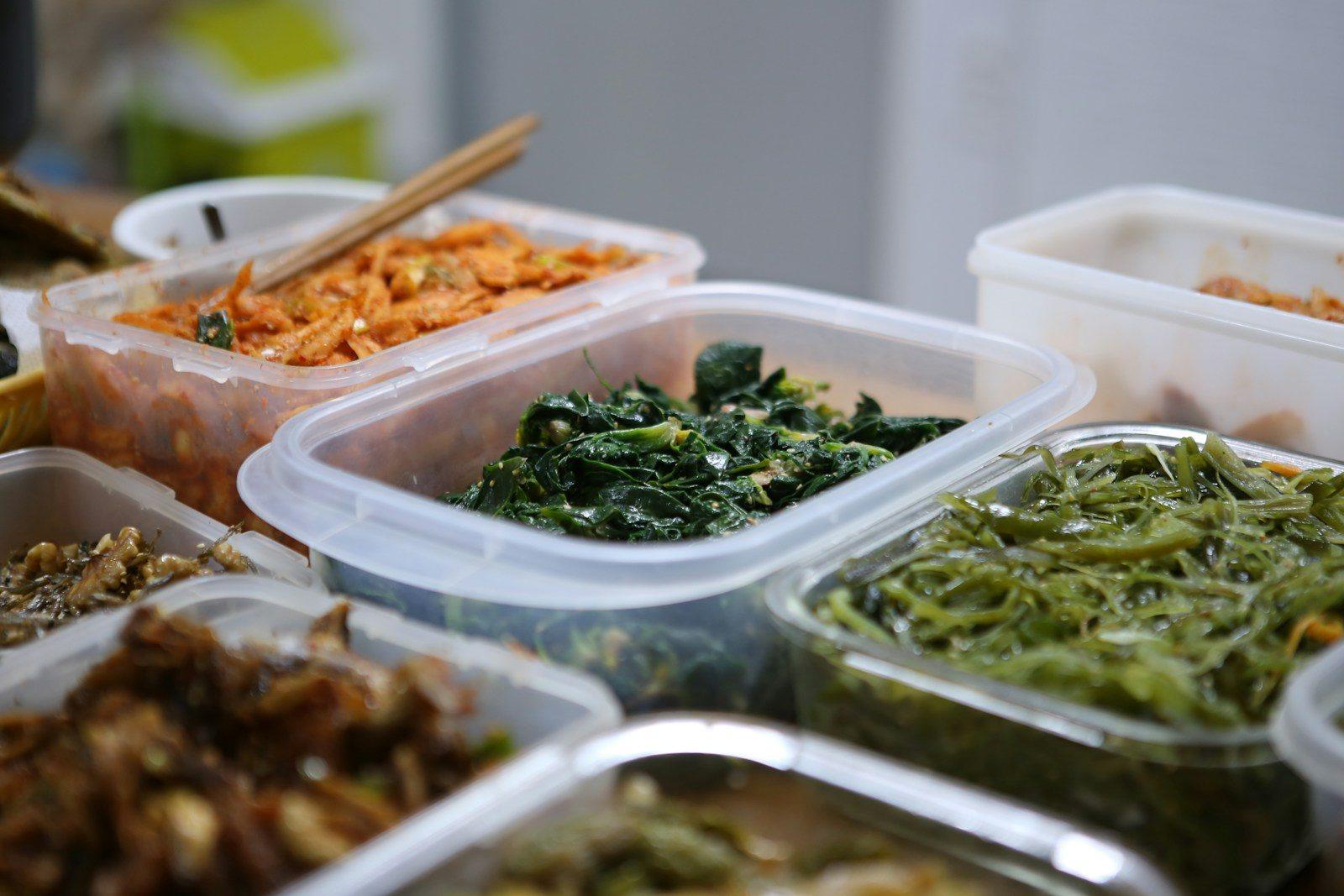
Most people who want to eat an anti-inflammatory diet do not fail because of a lack of motivation or knowledge. They fail because of friction. On a Tuesday evening after a long day, the gap between knowing you should eat salmon and roasted vegetables and actually cooking them from scratch is wide enough that a processed alternative wins almost every time. Meal prepping collapses that gap. When the food is already made, portioned, and sitting in your refrigerator, the barrier to eating well drops to near zero. This guide walks you through a complete Sunday prep session that produces five days of anti-inflammatory breakfasts, lunches, and dinners, with a shopping list structure, a prep sequence, and storage guidance that makes the whole system repeatable week after week.
Why Sunday Works as Your Prep Day
Sunday preparation works for most people because it sits at the boundary between one week and the next, and the food produced covers the highest-friction days of the working week when time and decision-making capacity are most limited. The full prep session described here takes approximately two and a half to three hours from start to finish when the sequence is followed correctly. That investment of time on Sunday eliminates roughly forty-five minutes of daily cooking across five weekdays, producing a net time saving while simultaneously improving the nutritional quality of every meal.
The prep session works by running multiple cooking processes simultaneously rather than sequentially. While grains cook on the stovetop, fish roasts in the oven, and vegetables caramelize on a second rack. While legumes simmer, you chop raw vegetables for salads and portion snacks. Learning to overlap processes rather than complete them one at a time is the skill that makes a three-hour prep session feel manageable rather than exhausting.
Your Shopping List for the Week
The shopping list below covers all the ingredients needed for the five-day plan that follows. It is organized by section of a typical grocery store to minimize time spent navigating.
Produce
Buy two bunches of kale, one bag of baby spinach, one head of broccoli, one large sweet potato, one bag of mixed berries, two avocados, one pint of cherry tomatoes, one head of garlic, one large red onion, one lemon, and one lime.
Proteins
Buy two salmon fillets of approximately six ounces each, one can of wild-caught sardines in olive oil, one dozen eggs, one 15-ounce can of chickpeas, one 15-ounce can of black beans, and one block of firm tofu.
Grains and Pantry
Buy one bag of quinoa, one container of rolled oats, one jar of extra virgin olive oil, one jar of tahini, one bag of walnuts, one bag of pumpkin seeds, one jar of turmeric, one jar of black pepper, one jar of ground cumin, one jar of smoked paprika, and one container of low-sodium vegetable broth.
Refrigerated and Fermented
Buy one container of plain full-fat Greek yogurt, one jar of kimchi, and one carton of unsweetened almond milk.
The Prep Sequence
Following this sequence keeps multiple processes running simultaneously and prevents bottlenecks where you are waiting for one thing to finish before starting the next.
- Start by preheating your oven to 400 degrees Fahrenheit and putting a large pot of water on to boil for the quinoa. Rinse one and a half cups of quinoa under cold water and add it to the boiling water with a pinch of salt. Reduce to a simmer, cover, and set a timer for fifteen minutes.
- While the quinoa cooks, prepare the roasting vegetables. Cut the sweet potato into half-inch cubes, cut the broccoli into florets, and halve the cherry tomatoes. Toss all three with two tablespoons of extra virgin olive oil, one teaspoon of smoked paprika, half a teaspoon of turmeric, a generous pinch of black pepper, and salt to taste. Spread across two lined baking sheets in a single layer and place in the oven.
- Place the two salmon fillets on a third lined baking sheet. Rub each fillet with olive oil, minced garlic, lemon zest, and a pinch of black pepper. Place in the oven alongside the vegetables. Set a timer for twelve to fourteen minutes depending on thickness.
- While the oven works, hard-boil six eggs. Place them in a small pot of cold water, bring to a boil, then remove from heat and cover for ten minutes before transferring to an ice bath. These will serve as quick protein additions across multiple meals during the week.
- Drain and rinse the chickpeas. Add them to a small skillet with one tablespoon of olive oil, half a teaspoon of cumin, half a teaspoon of smoked paprika, and a pinch of salt. Toast over medium heat for eight to ten minutes, stirring occasionally, until lightly crispy. Remove from heat and set aside to cool.
- Press the tofu dry between paper towels and cut into one-inch cubes. Toss with one tablespoon of olive oil, one tablespoon of low-sodium soy sauce or tamari, and half a teaspoon of garlic powder. Spread on a baking sheet and add to the oven for the final fifteen minutes of the vegetable roasting time.
- While everything roasts, prepare the overnight oats for three mornings. Combine half a cup of rolled oats, three-quarters of a cup of unsweetened almond milk, one tablespoon of chia seeds, and a small handful of walnuts in each of three jars. Seal and refrigerate. They will be ready to eat within six hours and keep for up to four days.
- Wash and dry all leafy greens. Tear the kale into bite-sized pieces and massage briefly with a few drops of olive oil and a pinch of salt to soften the fibers. Store the kale and baby spinach in separate airtight containers lined with a paper towel to absorb excess moisture and extend freshness.
- Make the tahini dressing that will serve as the primary salad and grain bowl dressing for the week. Whisk together three tablespoons of tahini, the juice of one lemon, one small clove of minced garlic, one tablespoon of extra virgin olive oil, a pinch of cumin, and enough water to reach a pourable consistency. Transfer to a small jar and refrigerate.
- Once the oven timer goes off, remove all trays. Flake the cooked salmon into large chunks and refrigerate in a sealed container. Transfer all roasted vegetables to a single large container and refrigerate. Allow the tofu to cool before storing separately.
What You Are Eating Each Day
With all components prepped and stored, assembly throughout the week takes five minutes per meal rather than forty-five.
Breakfast rotates between the overnight oats topped with a large handful of mixed berries and a tablespoon of walnuts, a two-egg scramble with baby spinach, cherry tomatoes, and a quarter of an avocado, and a plain Greek yogurt bowl layered with berries, pumpkin seeds, and a drizzle of honey. All three breakfasts are ready in under five minutes and deliver protein, fiber, and anti-inflammatory compounds from multiple food groups simultaneously.
Lunch is built around the grain bowl format. Start with a base of quinoa, add a large handful of massaged kale or baby spinach, top with a portion of roasted vegetables, add a protein from the prepped options, and drizzle with tahini dressing. The protein rotates across the week between flaked salmon, crispy chickpeas, hard-boiled eggs, tofu, and sardines. Each combination tastes distinct despite sharing the same base ingredients because the protein and any additional toppings change the flavor profile meaningfully.
Dinner uses the same components with a slightly different assembly logic to prevent the meals from feeling repetitive. The roasted vegetables pair with black beans warmed in a pan with cumin, lime juice, and a handful of spinach stirred in at the end. The tofu works well in a simple stir-fry with garlic, ginger, low-sodium tamari, and the remaining broccoli florets. The final salmon portion can be served over a bed of spinach with roasted sweet potato and a generous spoonful of kimchi on the side, which adds a fermented probiotic component that supports gut microbiome diversity alongside the anti-inflammatory foods.
Storage and Food Safety
Cooked fish keeps safely in the refrigerator for up to three days. If you want salmon available later in the week, freeze one fillet after cooking and thaw it in the refrigerator overnight on Wednesday. Cooked grains and roasted vegetables keep for four to five days in sealed containers. Hard-boiled eggs in their shells keep for up to one week. The overnight oats keep for four days. The tahini dressing keeps for up to two weeks refrigerated. Kimchi, being fermented, has a shelf life of several weeks once opened and stored correctly.
Making the System Repeatable
The meal prep system described here is designed to be rotated and varied rather than repeated identically each week. Swap the salmon for mackerel or trout. Replace quinoa with brown rice or farro. Rotate the roasted vegetables based on what is in season and what is on sale. The anti-inflammatory principles stay constant while the specific foods change, which prevents the monotony that derails most meal prep routines within three or four weeks.
The omega-3 sources and benefits covered in the complete guide to omega-3 fatty acids will help you understand why fatty fish rotation matters specifically within this system and which plant-based alternatives provide meaningful ALA when fish is not available or appealing in a given week. Building that knowledge into your shopping decisions is what takes a meal prep routine from a temporary effort to a durable, self-reinforcing habit.
Leave a Reply