
Eating to fight inflammation is not about following a strict protocol or buying expensive specialty products. It is about consistently putting foods on your plate that have measurable anti-inflammatory activity at a biological level. The ten foods below are not just generally healthy. Each one has a specific mechanism that either suppresses inflammatory signaling, reduces oxidative stress, or feeds the biological systems that keep chronic inflammation in check. Here is what they are, why they work, and how to get them into your weekly routine without overthinking it.
1. Fatty Fish
Salmon, sardines, mackerel, and herring are the most potent dietary sources of long-chain omega-3 fatty acids, specifically eicosapentaenoic acid (EPA) and docosahexaenoic acid (DHA). These two compounds are the raw material the body uses to produce resolvins and protectins, the molecules that actively resolve inflammation once the immune response has done its job. Without adequate EPA and DHA, the resolution phase of inflammation is slower and less complete. A meta-analysis published in the journal PLOS ONE found that omega-3 supplementation significantly reduced circulating levels of interleukin-6 (IL-6) and C-reactive protein (CRP), two of the most widely used blood markers of systemic inflammation. Two servings of fatty fish per week is the minimum threshold most researchers and clinicians cite for meaningful anti-inflammatory benefit.
How to eat it weekly: Bake a salmon fillet on Sunday and use it across two meals. Keep a tin of sardines in olive oil on hand for a fast lunch on whole grain crackers.
2. Blueberries
Blueberries have one of the highest antioxidant capacities of any commonly eaten food, measured by a metric called the oxygen radical absorbance capacity (ORAC) score. Their primary anti-inflammatory compounds are anthocyanins, a subclass of flavonoids that give the berries their deep blue-purple color. Anthocyanins inhibit the activity of nuclear factor kappa B (NF-kB), the master inflammatory signaling molecule that switches on the genes responsible for producing pro-inflammatory cytokines. Research published in the Journal of Nutrition found that regular blueberry consumption reduced NF-kB activity and lowered CRP levels in overweight adults over an eight-week period. Fresh and frozen blueberries are equally effective. The freezing process does not degrade anthocyanin content in any meaningful way.
How to eat them weekly: Add a handful to oatmeal, blend them into a morning smoothie, or eat them as a standalone snack three to four times per week.
3. Extra Virgin Olive Oil
Extra virgin olive oil (EVOO) is the foundation fat of the Mediterranean diet, and its anti-inflammatory activity goes well beyond being a healthier alternative to seed oils. The key compound is oleocanthal, a phenolic found exclusively in high-quality EVOO that inhibits both COX-1 and COX-2 enzymes, the same enzymes targeted by ibuprofen. The anti-inflammatory effect of roughly 50 milliliters of high-phenolic EVOO per day has been compared in published research to a low dose of ibuprofen, without the gastrointestinal side effects associated with long-term non-steroidal anti-inflammatory drug (NSAID) use. EVOO is also rich in oleic acid, a monounsaturated fat that reduces the expression of inflammatory genes in adipose tissue.
How to eat it weekly: Use EVOO as your primary cooking fat and as a dressing base. Drizzle it over vegetables, legumes, and whole grains rather than using butter or margarine.
4. Leafy Greens
Spinach, kale, Swiss chard, collard greens, and arugula are among the most nutrient-dense foods available per calorie. Their anti-inflammatory activity comes from several converging pathways. They are high in vitamin K, which regulates inflammatory cytokine production and has been associated with lower CRP levels in observational studies. They are rich in folate, which lowers homocysteine, an amino acid that promotes vascular inflammation when elevated. They contain lutein and zeaxanthin, carotenoids with documented anti-inflammatory effects on ocular and systemic tissue. A study in the American Journal of Clinical Nutrition found that higher green leafy vegetable intake was independently associated with lower levels of multiple inflammatory markers across a large cohort.
How to eat them weekly: Add two large handfuls of spinach or kale to meals at least four times per week. Sauté with garlic and EVOO, add raw to salads, or blend into soups.
5. Walnuts
Among all commonly eaten nuts, walnuts have the highest concentration of alpha-linolenic acid (ALA), the plant-based precursor to EPA and DHA. While the conversion efficiency of ALA to EPA and DHA in the body is limited, walnuts also contain ellagitannins, polyphenols that gut bacteria convert into urolithins, compounds with potent anti-inflammatory and antioxidant activity. Research from the Walnuts and Healthy Aging (WAHA) study, a long-term randomized controlled trial, found that daily walnut consumption significantly reduced several inflammatory biomarkers including IL-6 and intercellular adhesion molecule-1 (ICAM-1) in older adults over two years.
How to eat them weekly: A one-ounce serving, about 14 walnut halves, is the studied dose. Add them to oatmeal, salads, or eat as a standalone snack on most days of the week.
6. Turmeric
Turmeric is one of the most studied anti-inflammatory plants in the research literature. Its active compound, curcumin, modulates multiple inflammatory pathways simultaneously. It inhibits NF-kB activation, suppresses the production of inflammatory enzymes including COX-2 and lipoxygenase, and reduces circulating levels of tumor necrosis factor-alpha (TNF-alpha), one of the key drivers of chronic inflammatory disease. The challenge with curcumin is bioavailability. On its own, it is poorly absorbed in the gastrointestinal tract. Consuming it with black pepper, which contains piperine, increases curcumin absorption by up to 2,000 percent according to research published in Planta Medica. Fat also enhances absorption, which is why turmeric cooked in oil with black pepper is more effective than turmeric taken in isolation.
How to eat it weekly: Add turmeric and black pepper to scrambled eggs, soups, roasted vegetables, or rice dishes at least three times per week.
7. Green Tea
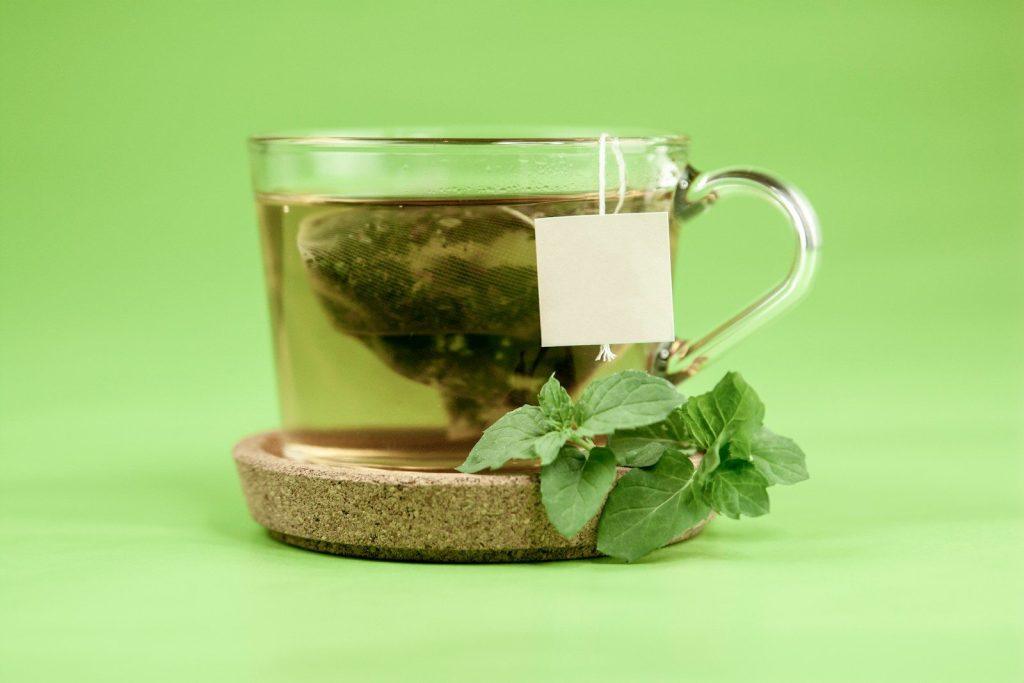
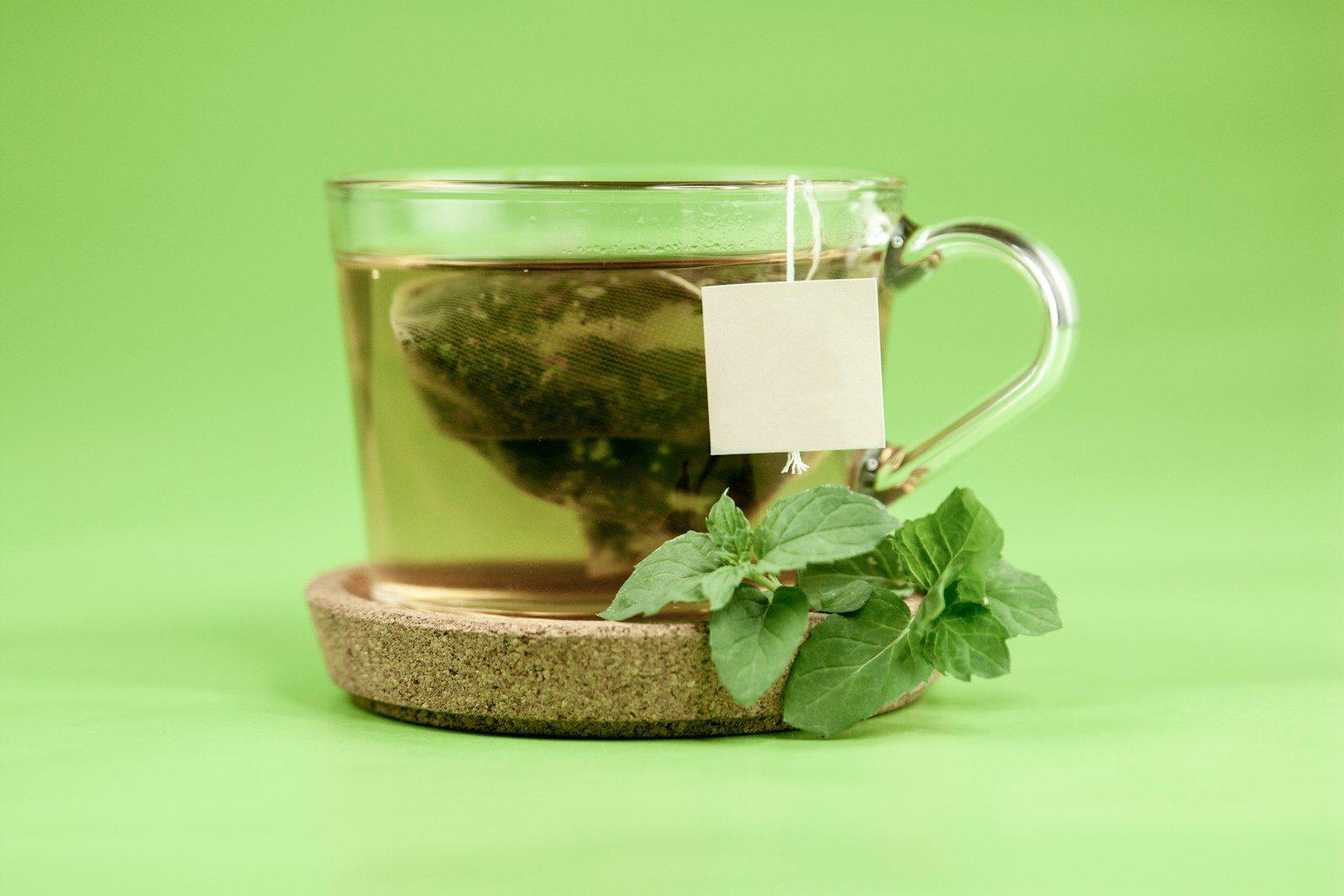
Green tea is one of the richest dietary sources of epigallocatechin-3-gallate (EGCG), a catechin with broad anti-inflammatory and antioxidant activity. EGCG inhibits NF-kB signaling, reduces the production of pro-inflammatory cytokines, and has been shown to lower CRP and IL-6 in human clinical trials. A systematic review and meta-analysis published in the European Journal of Nutrition found that green tea consumption was associated with significantly reduced CRP levels across multiple study populations. Matcha, which is powdered whole green tea leaf, delivers a higher concentration of EGCG per serving than steeped green tea because you consume the entire leaf rather than a water extract of it.
How to drink it weekly: Replace one or two daily coffees with green tea or matcha. Two to three cups per day is the dose range associated with meaningful anti-inflammatory effects in the research.
8. Tomatoes
Cooked tomatoes are one of the most bioavailable dietary sources of lycopene, a carotenoid pigment with significant anti-inflammatory and antioxidant activity. Lycopene reduces oxidative stress in the cardiovascular system, inhibits the production of pro-inflammatory cytokines, and has been associated in prospective studies with lower risk of cardiovascular disease and certain cancers. The key point about tomatoes is that cooking them in fat dramatically increases lycopene bioavailability. Raw tomatoes deliver less lycopene to your bloodstream than tomatoes cooked in olive oil, which is one reason the tomato-heavy, olive oil-rich Mediterranean diet is associated with such strong cardiovascular outcomes in research.
How to eat them weekly: Use cooked tomato products such as tomato sauce, roasted tomatoes, or tomato paste in meals at least three times per week. Pair with EVOO to maximize lycopene absorption.
9. Fermented Foods
Kimchi, sauerkraut, kefir, plain yogurt, and miso are fermented foods that support gut microbiome diversity, and the gut microbiome plays a central regulatory role in systemic inflammation. Beneficial gut bacteria produce short-chain fatty acids (SCFAs), particularly butyrate, which has a direct anti-inflammatory effect on the intestinal lining and reduces inflammatory signaling throughout the body. A landmark randomized controlled trial published in Cell in 2021 found that a high-fermented-food diet significantly increased microbiome diversity and reduced 19 inflammatory proteins in blood over a ten-week period, outperforming a high-fiber diet on inflammatory markers in that specific comparison.
How to eat them weekly: Add a serving of plain yogurt, kefir, kimchi, or sauerkraut to at least one meal per day. Rotate between different fermented foods to maximize the variety of beneficial bacterial strains you consume.
10. Dark Chocolate
Dark chocolate with a cocoa content of 70 percent or above is a meaningful source of flavanols, particularly epicatechin, which inhibits NF-kB signaling and reduces oxidative stress in the cardiovascular system. Research published in the Journal of the American Heart Association found that regular consumption of high-cocoa dark chocolate was associated with reduced platelet aggregation, lower blood pressure, and decreased inflammatory markers in healthy adults. The anti-inflammatory effect is dose-dependent and cocoa-concentration dependent. Milk chocolate and most commercial chocolate bars have too little cocoa and too much added sugar to produce these effects, and the sugar in high quantities actively promotes the inflammation that cocoa polyphenols are fighting.
How to eat it weekly: One to two small squares of 70 percent or higher dark chocolate per day is the studied range. Treat it as a daily ritual rather than an occasional indulgence.
The ten foods above are not a complete diet on their own. They are the highest-leverage additions you can make to whatever you are already eating. No single food eliminates chronic inflammation, and no single food causes it in isolation either. What moves the needle is the consistent weekly pattern of what lands on your plate. The weekly meal prep guide makes building that pattern significantly easier by showing you how to batch-prepare several of these foods at once so they are ready when you need them throughout the week. Start with two or three items from this list, get them into your routine reliably, and build from there. That is how the biology actually responds.
Leave a Reply