

Mind
Recent Categories
Recent Posts
- What Is a GLP-1 Receptor Agonist and How Does It Work in the Body
- What Rights and Protections Clinical Trial Participants Have

- GLP-1 Medications Are Changing How We Think About Diet
- How Clinical Trials Have Led to Breakthrough Treatments Over the Decades

- Wellness Culture Is Broken and Here Is What Needs to Change

Post Archive
Category Tags
Connect With Us
-
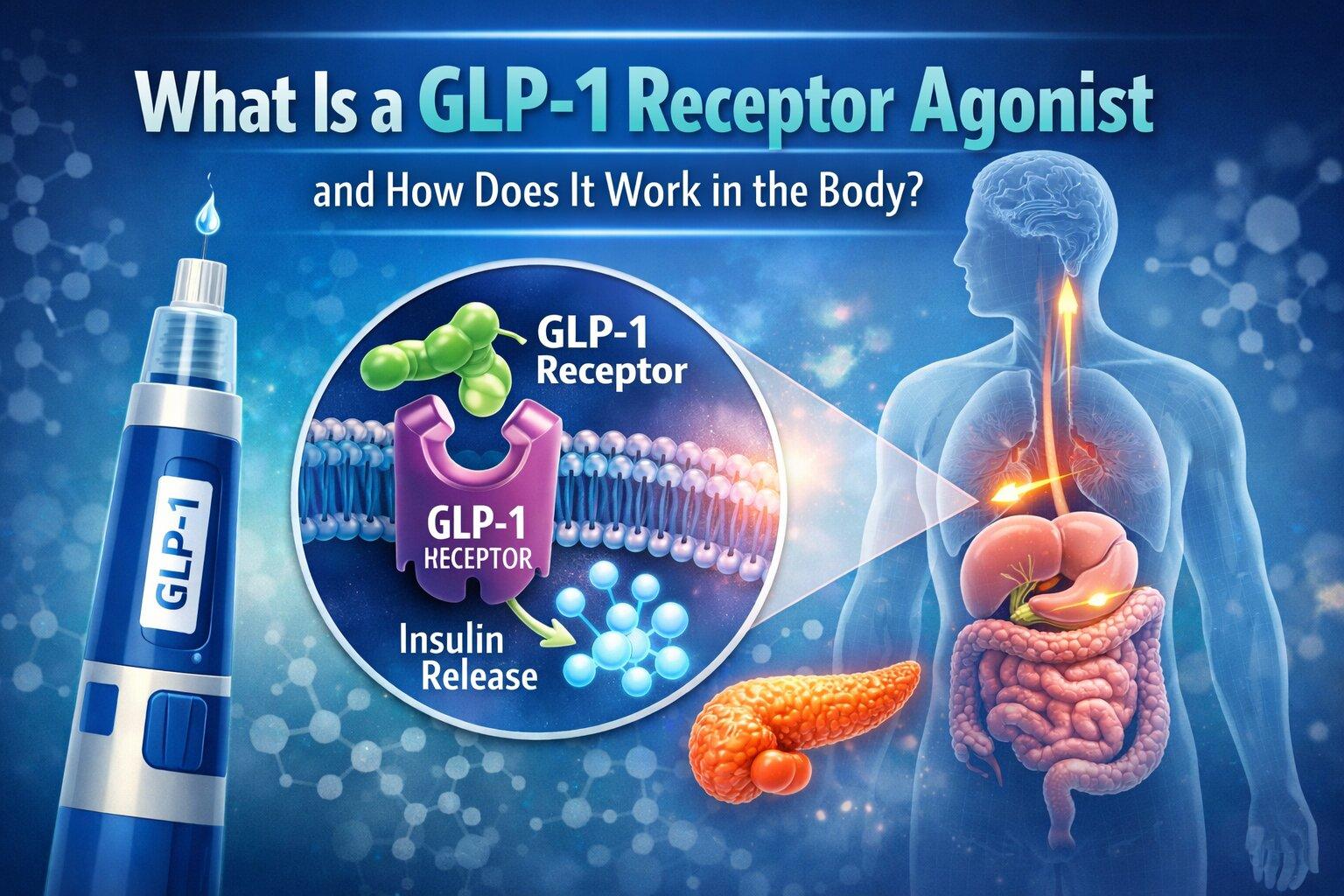
What Is a GLP-1 Receptor Agonist and How Does It Work in the Body
Ozempic, Wegovy, Mounjaro, and Zepbound have become household names fast enough that the pharmacology behind them has struggled to keep pace with the public conversation. Most people know these drugs produce significant weight loss. Far fewer understand the biological mechanism through which they do it, why that mechanism is more sophisticated than simple appetite suppression,…
-
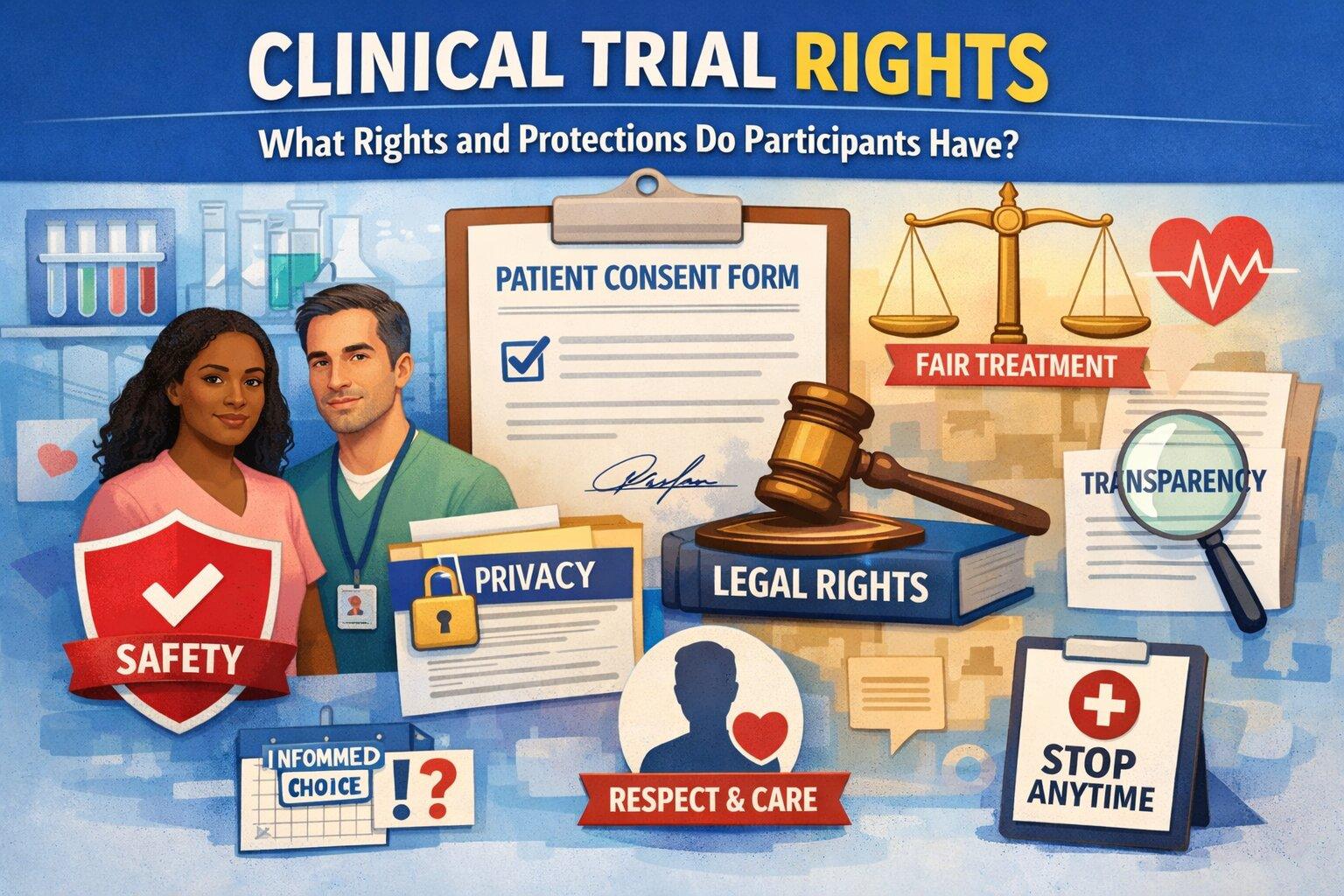
What Rights and Protections Clinical Trial Participants Have
Signing up for a clinical trial is not the same as handing over control of your health to a research team. Participants have a defined set of rights that exist before enrollment begins and stay in place for the entire study. Knowing what those rights are changes how the whole process feels, and it should…
-
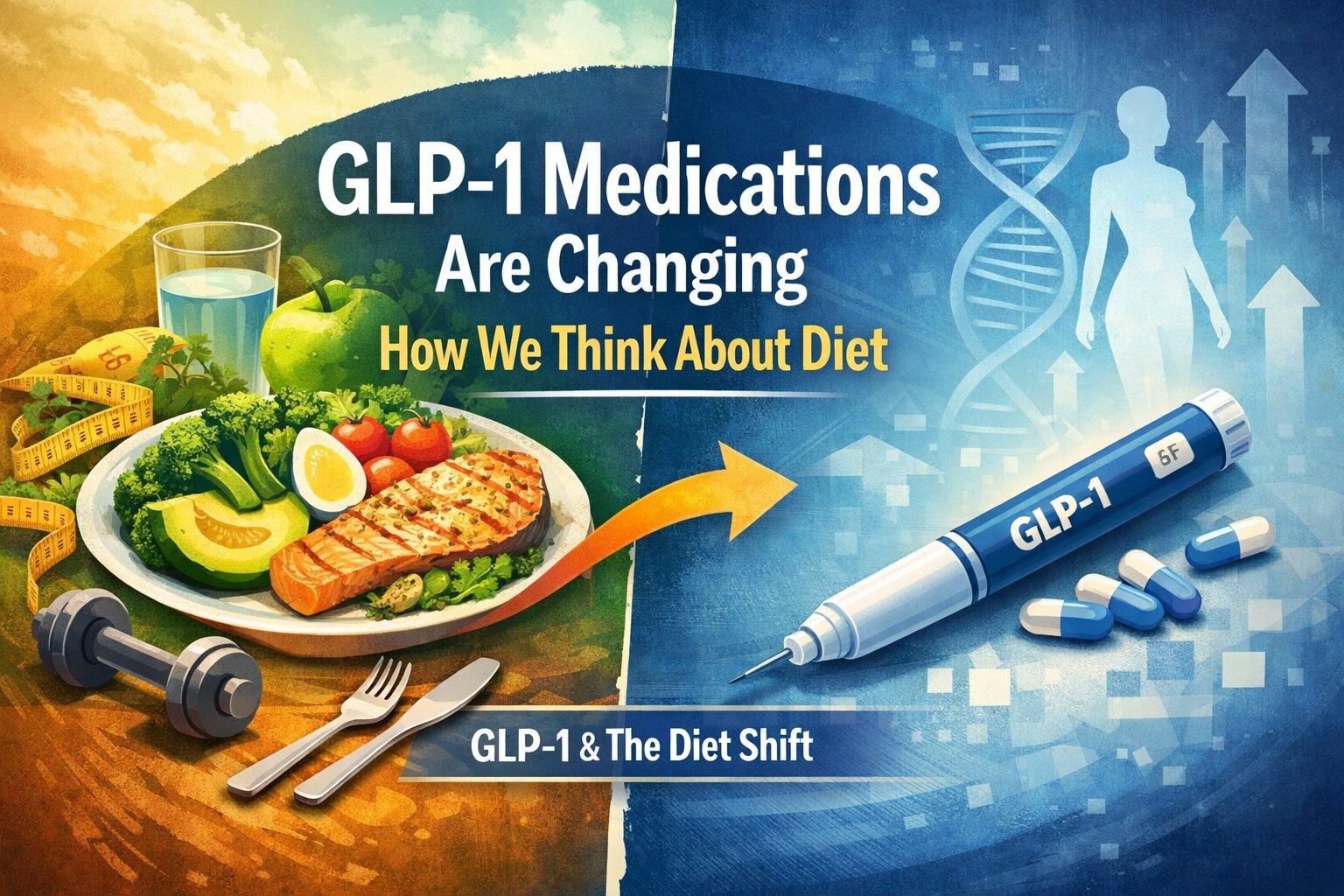
GLP-1 Medications Are Changing How We Think About Diet
For most of modern nutrition science, the dominant framework for understanding why people eat the way they do has been behavioral and psychological. People overeat because of stress, habit, emotional regulation, food environment, and learned patterns of reward-seeking that develop across a lifetime of experience with food. Dietary interventions built on this framework attempt to…
-
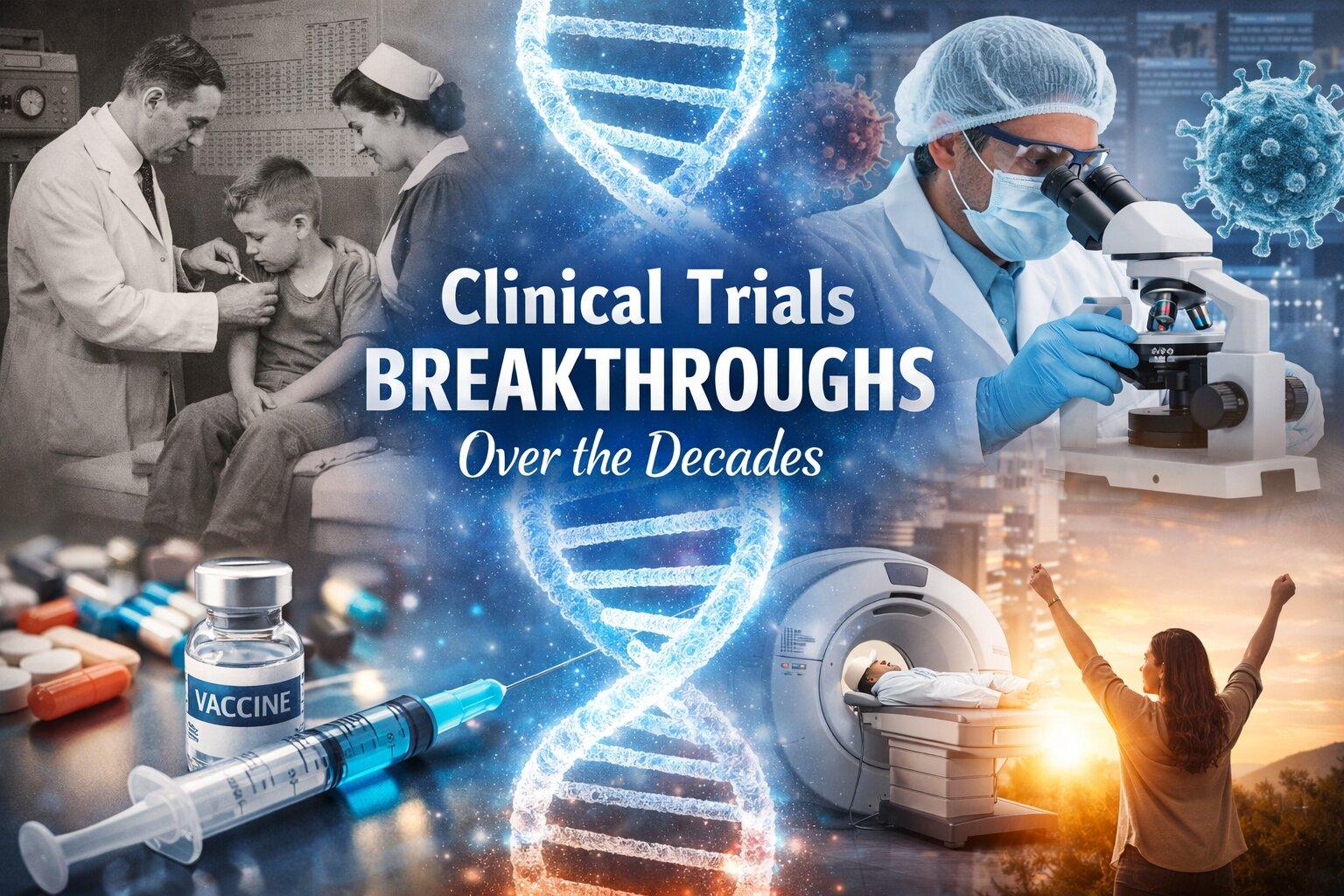
How Clinical Trials Have Led to Breakthrough Treatments Over the Decades
Every medication that exists today cleared a clinical trial before reaching a patient. That is not a technicality. The trial process is where the science either holds up or falls apart, and the history of medicine is largely a record of what happened when it held up. Some of the most significant treatment advances of…
-

Wellness Culture Is Broken and Here Is What Needs to Change
The wellness industry generates approximately 5.6 trillion dollars in annual revenue according to the Global Wellness Institute. It sells detox teas that do not detox anything, supplements with no peer-reviewed evidence behind them, morning routines that require two hours of pre-dawn rituals to execute, and a version of health that is indistinguishable from a particular…
-

Why Loneliness Is the Next Public Health Crisis We Are Not Ready For
In 2023, the United States Surgeon General issued a formal advisory declaring loneliness and social isolation a public health epidemic. The United Kingdom had appointed a Minister for Loneliness five years earlier. The World Health Organization established a Commission on Social Connection in 2023 with a three-year mandate to develop global policy responses to what…
-

New Research Links Ultra-Processed Food to Early Cognitive Decline
The relationship between diet and brain health has been studied for decades through the lens of individual nutrients, omega-3 fatty acids, antioxidants, B vitamins, and their respective contributions to cognitive function and neurological disease risk. A newer and more powerful research framework has emerged over the past eight years that looks not at individual nutrients…
-

What Is an Anti-Inflammatory Diet and How Does It Work
Most people hear the word inflammation and picture a swollen ankle or a sore throat. Those are real examples, but they only tell half the story. The kind of inflammation that does the most long-term damage is one you cannot see or feel right away. It sits quietly in your body for months or years,…
